
Whether you’re suiting up for your first season or helping a new player get ready, this lacrosse gear checklist covers everything you need, from mandatory equipment to gear that makes practice easier. Use this as your shopping reference before tryouts or the first day of the season.
The Complete Lacrosse Gear Checklist (2026)
Mandatory Game Equipment
- Lacrosse helmet, NOCSAE-certified; required for all field play. See our best lacrosse helmets rankings.
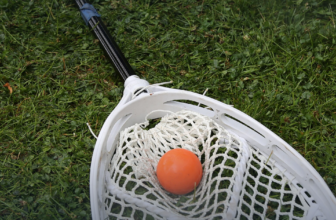
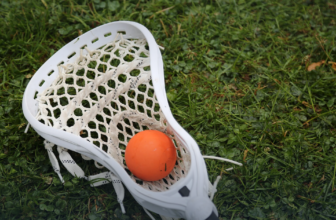
- Lacrosse stick, head + shaft combo or complete stick. Beginners should check our best sticks for beginners guide.
- Shoulder pads, mandatory at most youth and high school levels. Our shoulder pad rankings break down what to buy by position.
- Arm pads / arm guards, required for most leagues. See our picks for the best lacrosse arm pads.
- Lacrosse gloves, mandatory; protect hands from stick checks. Read our lacrosse glove guide before buying.
- Mouthguard, required by virtually all leagues. Get one that fits your helmet.
- Athletic cup / supporter, required for most boys’ programs.
- Lacrosse cleats, sport-specific cleats help with field traction. See our best lacrosse cleats guide.
Practice and Training Gear
- Extra lacrosse balls, you’ll go through a lot in wall ball and drills. See our best lacrosse balls roundup.
- Rebounder / wall, for solo stick work; not mandatory but game-changing for development.
- Practice pinnies, for team scrimmages and drills.
- Water bottle, 32 oz minimum for practices in warm weather.
Carrying and Storage
- Lacrosse bag or backpack, fits your helmet, pads, and sticks. Our best lacrosse bags guide covers options for every budget.
Optional / Position-Specific Gear
- Rib pads, optional; useful for attackmen who take a lot of checks to the body.
- Goalie equipment, if playing goalie, you need a larger head, chest protector, and throat guard. See our best goalie equipment guide.
- Second stick / backup shaft, handy for tournaments. Check our best shafts under $100 for affordable options.
- Stick tape / wax, improves grip on the handle and prevents nicks.
Gear Checklist by Age and Level
Youth (Under 10 / Box Lacrosse)
For young players just starting out, prioritize safety and simplicity. A helmet, shoulder pads, arm pads, gloves, mouthguard, and a complete stick are the essentials. Our best youth lacrosse sticks guide has age-matched picks so you’re not buying a stick your kid will outgrow in one season.
Middle School / High School (10-18)
At this level, players need all the mandatory gear listed above plus cleats. This is also when it makes sense to invest in a quality head, see our breakdown of the best lacrosse heads to understand what matters for different positions.
Club and Travel Teams
Club players benefit from higher-quality gear that will hold up through extra practices and tournament weekends. A premium shaft, a well-strung head for your position, and a large bag to get through 2-3 day tournaments are worth the investment at this level.

How Much Does Lacrosse Gear Cost?
A full beginner setup, helmet, shoulder pads, arm pads, gloves, complete stick, and cleats, typically runs between $200 and $350 for youth players and $300 to $500 for high schoolers buying mid-range gear. Here’s a rough breakdown:
| Item | Budget | Mid-Range | Premium |
|---|---|---|---|
| Helmet | $80-$100 | $120-$160 | $200+ |
| Complete Stick | $40-$60 | $80-$130 | $150+ |
| Shoulder Pads | $25-$40 | $50-$80 | $100+ |
| Arm Pads | $20-$35 | $40-$60 | $70+ |
| Gloves | $30-$50 | $60-$90 | $100+ |
| Cleats | $40-$60 | $70-$100 | $120+ |
| Bag | $25-$40 | $50-$80 | $100+ |

Where to Start
If you’re buying gear for the first time and aren’t sure where to start, begin with the helmet and stick, they have the biggest impact on safety and play. From there, add protection gear and cleats before adding any optional pieces. Our full guide to the best lacrosse sticks for beginners is a good first stop, followed by our helmet rankings to get the right head protection.
As an Amazon Associate I earn from qualifying purchases. All recommendations are based on research and real-world testing.
Related Guides