We earn a commission from qualifying Amazon purchases, at no extra cost to you. How this works.
Best lacrosse head for most players, versatile, beginner-friendly, performs across all positions.
Check Price on Amazon →Walk into any lacrosse retailer and every head on the wall claims to be “elite.” Ultra-stiff. Pro-level. Built for champions. It’s noise. The truth is that the best lacrosse head isn’t the most expensive one, it’s the one that fits your position, your pocket preference, your playing style, and your skill level right now.
I learned this the hard way when I was starting out. I grabbed an ECD DNA 2.0 because a teammate had one and it looked solid. Turned out to be one of the better decisions I made early on, durable, forgiving, and versatile enough while I was still figuring out what I actually wanted in a head. But not every player needs what I needed. An attack player who lives on the crease has completely different requirements than a two-way midfielder or a long-stick defenseman.
This guide cuts through the marketing. We researched current reviews, player feedback, retailer recommendations, and real-world performance data to give you honest picks for every position and playing style in 2026.
Top Pick: Warrior Evo V
★★★★½
Best all-around lacrosse head. Versatile enough for attack, midfield, and even defense, and forgiving enough for any skill level.
In This Guide
This page contains affiliate links. We may earn a small commission at no extra cost to you.
Quick Picks: Best Lacrosse Heads 2026
| Category | Head | Price |
|---|---|---|
| Best Overall | Warrior Evo V | Check Price → |
| Best for Attackmen | ECD Mirage 3.0 | Check Price → |
| Best for Durability | ECD DNA 2.0 | Check Price → |
| Best Value | Maverik Tactik 3 | Check Price → |
| Best for Faceoffs | StringKing Mark 2F | Check Price → |
Best Lacrosse Heads of 2026: Full Reviews
1. Warrior Evo V, Best Overall & Best for Beginners
Best For: All-around play, beginners, midfielders who want versatility
The Warrior Evo series has been a staple in lacrosse for years, and the Evo V earns its reputation as the best all-around lacrosse head in 2026. It’s not the most specialized tool on this list, and that’s exactly why it works for so many players.
- Iconic Evo sidewall and face shape, balanced between catching and shooting
- Rounded scoop with diffusers for faster, smoother ground ball pickups
- Bottom rail string ridge that protects sidewalls from blowouts
- Tilt-tech string hole design for improved pocket tension and ball release
- Durable construction that holds up through physical play
Pros
- Versatile enough for every position
- Forgiving for newer players, clean scoop
- Reliable in all weather
Cons
- Not the best specialized choice for elite attackers or pure FOGOs
- Lacks the tight face shape pure shooters want
Who should buy it: Beginners, midfielders who need to do everything, players who aren’t sure what position they’ll settle into. Who should avoid it: Elite attack players who need a tighter face shape for precision shooting.
2. STX Stallion 1K, Best for Midfielders
Best For: Two-way midfielders, transition players, ball carriers who also need to defend
Midfielders are asked to do more than any other position, carry in transition, feed cutters, finish on the run, and fight for ground balls. The STX Stallion 1K is built with exactly that in mind. At just 4.7 oz, it’s one of the lightest true midfield heads on the market.
- Weighs just 4.7 oz, light for a two-way mid head
- Deepest legal offset for better ball feel and retention on the run
- Speed Scoop™ technology, protects top strings and reduces drag
- EnduraForm™ material, holds up to checks, contact, and long seasons
Pros
- Excellent balance of control, durability, and weight
- Great scoop, versatile pocket options
Cons
- Deep offset may take adjustment for newer players
- Not ideal for pure attack-style play
3. ECD Mirage 3.0, Best for Attackmen & Shooters
Best For: Attackmen, offensive midfielders, power shooters
ECD has been making heads in the USA for years, and the Mirage line has always been built for one thing: shooting. The Mirage 3.0 takes everything that worked in the 2.0 and dials it up, 10% increase in stiffness, a redesigned ball stop, and a tight face shape make this the top attack head of 2026.
- Weighs 5.1 oz, planted, powerful feel on release
- 10% stiffer than the Mirage 2.0
- Tight face shape for precision shooting and quick release
- Aggressive offset for a low pocket that locks the ball in
- 20 evenly spaced sidewall holes for full pocket customization
- Made in the USA
Pros
- Elite shooting performance, excellent pocket hold
- Tight face keeps the ball locked in, clean release
Cons
- Less forgiving for newer players still developing catches
- Overkill for midfielders who primarily play two-way
4. ECD DNA 2.0, Best for Durability
Best For: Any position, players who want a reliable everyday head
ECD calls the DNA 2.0 the “Swiss Army knife” of their lineup, and that’s accurate. It’s not the lightest head. It’s not the tightest. But it’s the most reliable all-around head ECD makes, and that matters when you’re grinding through a full season.
- Anti-warping FlexForm plastic, holds shape in cold and heat
- Weighs 5.5 oz, heavier than some, but the weight adds stability
- Face shape slightly tighter than the original DNA
- Made in the USA, torture-test verified durability
Pros
- Extremely durable, holds pocket shape well
- Versatile for every position, built to last multiple seasons
Cons
- Not specialized enough to outperform position-specific heads
- Slightly heavier than competition
5. Maverik Tactik 3, Best Value
Best For: Midfielders, precision passers, budget-conscious players who don’t want to sacrifice quality
The Maverik Tactik 3 punches above its price point. It’s designed for the midfield player who wants precision and control without paying for top-tier models, and it delivers that balance consistently, even in bad weather.
- Weighs 5.1 oz
- CONTROL CORE Technology for superior ball control
- XRAIL Technology, lightweight and stiff in all weather conditions
- 20 stringing holes for custom pocket options
Pros
- Reliable across weather conditions, great for precision passing
- Solid value for the price, best deal in the guide
Cons
- Not the go-to for elite shooters or pure defensive players
6. Maverik Havok 2, Best for Defense/LSM
Best For: Close defenders, LSMs, physical players who throw a lot of checks
Defenders need a different head than attackmen, wider for catching, stiff for checking, durable for physical abuse. The Maverik Havok 2 nails the stiffness and the durability, though its face runs tighter than traditional defensive heads.
- Duratough material, elite checking durability
- 4-strut lightweight design with modified orientation for added stiffness
- Tighter face shape than traditional defensive heads, allows ball carrying in transition
- Best-in-class stiffness-to-weight ratio
Pros
- Exceptional durability, strong checking power
- Handles transition well
Cons
- Not for attack play; tighter face requires solid catching mechanics
7. StringKing Mark 2F, Best for Faceoffs
Best For: FOGOs and faceoff specialists
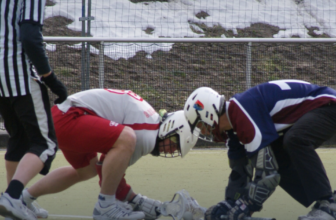
Faceoff heads are a completely different animal. The StringKing Mark 2F is consistently ranked as the top faceoff head in men’s lacrosse, it delivers the perfect balance of flex, shape retention, and durability under the repeated stress of faceoff mechanics.
Pros
- Purpose-built for FOGOs, excellent shape retention, proven at high levels
Cons
- Not suitable for regular field play, this is a specialist head only
8. StringKing Mark 2A, Best Lightweight Head
Best For: Attackmen who prioritize quick stick and fast releases
At 4.47 oz, the StringKing Mark 2A is one of the lightest heads available. The pinched throat, low pocket side profile, and 29 stringing holes per sidewall give attack players maximum customization in a minimal package.
Pros
- Exceptional weight savings, great for quick stick, highly customizable
Cons
- Not ideal for physical midfield play; lighter weight can affect power for some
Lacrosse Head Comparison Table
| Head | Best For | Stiffness | Weight | Skill Level |
|---|---|---|---|---|
| Warrior Evo V | All-Around / Beginners | Medium | Medium | All Levels |
| STX Stallion 1K | Midfielders | Medium-High | 4.7 oz | Intermediate+ |
| ECD Mirage 3.0 | Attack / Shooters | High | 5.1 oz | Intermediate+ |
| ECD DNA 2.0 | Durability / All-Around | Medium-High | 5.5 oz | All Levels |
| Maverik Tactik 3 | Midfield / Value | Medium | 5.1 oz | All Levels |
| Maverik Havok 2 | Defense / LSM | High | Medium-Light | Intermediate+ |
| StringKing Mark 2F | Faceoffs | Specialized | Varies | All FOGO levels |
| StringKing Mark 2A | Attack / Lightweight | Medium-High | 4.47 oz | Intermediate+ |

Lacrosse Head Buying Guide: What Actually Matters
Stiffness vs. Flexibility
Stiffer heads give you more consistent shot power and don’t flex when you throw, what you feel is what you get. Flexible heads can be more forgiving to catch with, but they absorb energy on your release, which hurts accuracy. For most players at intermediate level and above, medium to high stiffness is the right call.
Face Shape: Pinched vs. Wider
A pinched (narrower) face shape is better for attack players, tighter cradling, better single-hand control, and faster release. A wider face shape is more forgiving to catch with, which is why it suits defensive players and beginners. Mid-range face shapes work well for midfielders who need both.
Offset and Scoop
Offset refers to how much the throat of the head angles forward. More offset means a lower pocket, giving attackers better ball feel. The scoop design affects how easily you can pick up ground balls, look for flat scoops with speed channels if ground balls are a weakness in your game.
Pocket Placement: Low, Mid, Mid-High, High
Low pockets are preferred by attackmen, they keep the ball low for quick releases and dodging. Mid pockets are the most versatile for midfielders. Mid-high and high pockets suit defenders who need to fling outlet passes quickly. Your pocket position matters as much as the head itself.
Why Stringing Matters as Much as the Head
You can put a bad string job on a great head and it will perform terribly. The pocket is where the ball actually sits. Invest in a quality string job, or learn to string yourself. No head review can fully account for stringing variables.
What Beginners Should Prioritize
If you’re new to lacrosse, ignore the specialized stuff. You want a wider face shape (more forgiving to catch), medium stiffness, a mid pocket, and something durable. The Warrior Evo V and ECD DNA 2.0 both fit that profile well.

What I’d Choose as a Newer Midfielder
When I started playing, I picked up the ECD DNA 2.0, and honestly, I’d make the same call again. Paired with an ECD Carbon 4.0 Focus shaft, that setup gave me a complete stick that felt consistent and durable while I was still learning what I actually needed.
The DNA 2.0 isn’t the flashiest head on this list. But it doesn’t warp, it takes hard ground balls without cracking, and the face shape is forgiving enough that I wasn’t punished every time I bobbled a catch. For a newer midfielder still developing stick skills, that durability and consistency matters a lot more than shaving half an ounce off your setup.
If I were buying today, I’d also seriously consider the STX Stallion 1K for the lighter weight and mid-pocket versatility it offers a two-way midfielder. One thing I’d tell any newer player: don’t buy a tight, aggressive attack head thinking it’ll make you shoot better. If your mechanics aren’t there yet, the tighter face shape will just make you drop more balls. Get comfortable first. Specialize when you know what you want.

Final Recommendations
- Best all-around choice: Warrior Evo V, versatile, forgiving, works for every position
- Best for durability: ECD DNA 2.0, reliability and consistency while you’re building your game
- Best for advanced offensive players: ECD Mirage 3.0, elite stiffness and tight face shape for serious shooters
- Best for faceoffs: StringKing Mark 2F, purpose-built for FOGOs, no competition
- Best value: Maverik Tactik 3, performance per dollar is hard to beat
No single lacrosse head will make you a better player overnight. The right head removes obstacles, bad scoops, warping, inconsistent pocket hold, so that your practice and your reps can do the real work. Choose based on your position, your pocket preference, and where you are right now in your development. Then string it well and put in the work.
FAQ: Lacrosse Heads
What lacrosse head should a beginner buy?
Beginners should look for a wider face shape (more forgiving to catch), medium stiffness, and a durable plastic that won’t warp or crack in the first season. The Warrior Evo V and ECD DNA 2.0 are the two most coach-recommended heads for new players. Avoid tight attack heads, they punish catching mistakes and slow your development.
What’s the difference between attack, midfield, and defensive lacrosse heads?
Attack heads are narrower with more offset and tighter channels for precision shooting and cradling in traffic. Midfield heads balance catching width with shooting precision. Defensive heads are wider for bigger catching windows and ground ball leverage, and stiffer to handle constant checking impacts. Position-specific heads make a meaningful difference at intermediate skill levels and above.
Does lacrosse head stiffness matter?
Yes, significantly. Stiffer heads transfer more energy through your throw and give you a more consistent release point. A head that flexes under your throw absorbs energy and causes your shot to die early or travel unpredictably. For shooting accuracy, choose medium-high to high stiffness. For catching forgiveness, medium stiffness is more forgiving.
Should I buy a strung or unstrung lacrosse head?
Most serious players buy unstrung heads and have them custom-strung to their position and preference. The pocket is where performance actually lives, a generic factory string job on an expensive head will underperform a quality custom string job on a mid-range head. If you’re new, a pre-strung head is fine to start. As your game develops, invest in custom stringing.
How long does a lacrosse head last?
A quality head from ECD, StringKing, STX, Maverik, or Warrior typically lasts 1-3 seasons of regular play. Signs it’s time to replace: visible cracks in the sidewalls or throat, warping that affects your pocket shape, or a broken scoop. Defense heads tend to wear faster due to constant checking impacts; attack heads typically last longer if the player isn’t taking heavy checks.
Key Takeaways
📋 Key Takeaways
- The Warrior Evo V is the best default choice. Versatile enough for attack, mid, and defense. If you don’t know your position yet or you’re early in your development, start here.
- The ECD DNA 2.0 is the most durable head in this guide. FlexForm plastic genuinely holds up season after season. The best choice for players who want to buy once and not think about it.
- Attack players: the ECD Mirage 3.0 is a meaningful upgrade. The 10% stiffness increase over the 2.0 translates to real power on shot release. Worth the premium if you shoot a lot.
- Don’t buy a specialized head before you’re ready for it. A tight attack head punishes developing mechanics. Build your fundamentals on a forgiving mid-range head first, then specialize.
- Stringing quality matters as much as the head itself. The best head with a bad string job will underperform a mid-range head strung to your specs. Invest in a good pocket before you invest in a new head.
📖 Related Guides
Looking to build a complete setup around your new head? Check out our picks for the best lacrosse shafts under $100 and the best complete sticks for beginners. If you’re torn between two specific options, our ECD DNA 2.0 vs Warrior Evo V comparison breaks down two of the top picks head-to-head.
Related Guides